
Studio Note #74: Sorry, I Only Do Cold Calls.
Perhaps his entire business model is built around reaching people who have never expressed an interest in his services. Maybe someone voluntarily handing him their contact information falls completely outside his workflow.

Studio Note #73: Guilty by Association.
Sometimes your biggest competitor isn't another business. It's every bad experience your potential customer has had with businesses that look like yours.

Studio Note #72: What’s it For?
We tend to think about networking in terms of immediate outcomes. Who can help me? Who can I help? Where is the opportunity?
But sometimes you’re building the relationships before you know what you’ll need them for.

Studio Note #71: Ithaca.
There was a life I had built around art and design that I loved. Publications. A gallery. Articles. Celebrities passing through. Above all, artists I admired becoming people I knew. Work I was proud of.
And then, relatively quickly, it was gone. 17 years passed through my hands like sand at high tide. I did everything I could to save it.

Studio Note #70: You Built the Room.
A lot of businesses are perfectly comfortable benefiting from those things without really considering the value of the person who created the opportunity in the first place.
Studio Note #69: Without Feedback.
There’s a point where you’ve done all the thinking you can do and the only way to find out if something works is to give it enough time to work.
I’m starting to think that’s what diligence really looks like.
Continuing without the reassurance.

Studio Note #68: What Breaks First?
If your workload doubled tomorrow, what’s the first thing that would break?
Whatever the answer is probably tells you more about what needs your attention than another growth plan does.
Studio Note #67: Nobody Cares Yet.
There’s something humbling about putting real thought into something knowing almost nobody is going to see it.
But that’s where we are.
We’re building the product. Refining the offer. Working on the message. Creating the content. Trying to get in front of contractors.
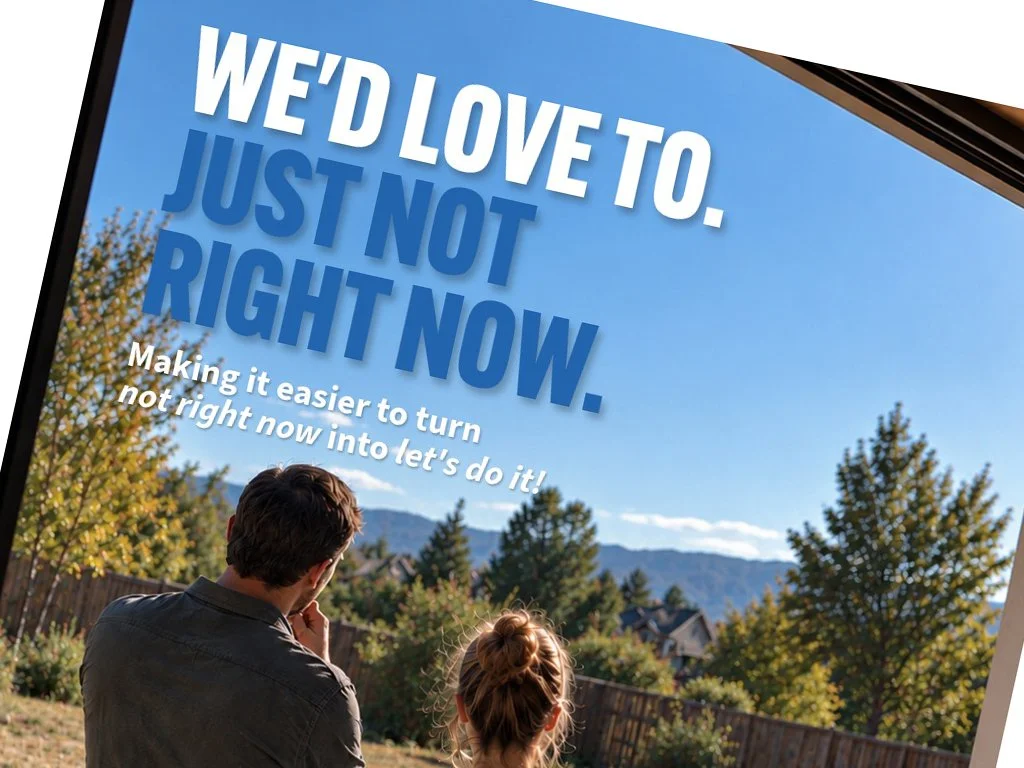
Studio Note #66: Before You Pitch.
Because before someone cares about your solution, they have to recognize the problem.

Studio Note #65: Stuck.
This week, I’ve felt stuck.
Not stuck in the sense that nothing is happening. More like I’m putting a lot of energy into a lot of things and not getting the feeling that any of them are really moving.

Studio Note #64: The Last Box.
If you’ve ever packed up a house to move, you know about the last box. The first 90 percent makes sense.

Studio Note #63: Five Percent Everywhere.
That’s the problem with five percent everywhere. There’s effort going out in every direction, but nothing gets enough of it to feel finished.

Studio Note #62: Lead With What Matters.
It's easy to get caught up in explaining everything your business does. You spend so much time building something that you want people to understand all of it.
But your customers aren't necessarily interested in the whole picture. At least not yet.
They're interested in the part that solves their problem.

Studio Note #61: The Risk of Not Taking Risks.
I've been working on a brand identity for a client recently, and I had one of those moments where I realized the direction I was taking wasn't wrong. It just wasn't particularly interesting.
The work was clean. Professional. It checked all the boxes and looked like something that belonged in the industry.
And that was the problem.
Studio Note #60: The Wrong Answer, Done Right.
I think this is something that gets overlooked in creative work because we tend to start with the deliverable. Someone asks for a brochure, so we design a brochure. They ask for a new website, so we start thinking about a website. They ask for a logo, so we start drawing logos.

Studio Note #59: Visual Intelligence is a Thing.
A designer might solve a packaging problem with something they noticed in a museum ten years ago. An identity might be influenced by a film title sequence, a piece of industrial equipment or the lettering on the side of an old building. Sometimes the thing that makes the work interesting has absolutely nothing to do with graphic design.

Studio Note #58: The Second Client.
There’s something uniquely frustrating about the space between proving that something works and proving that you can make it happen again.
The first customer is a milestone. But first customers can come from all kinds of places. A relationship. A referral. Good timing. Someone who believes in you enough to take a chance.
The second customer feels different.
Studio Note #57: I Kind of Don’t Care.
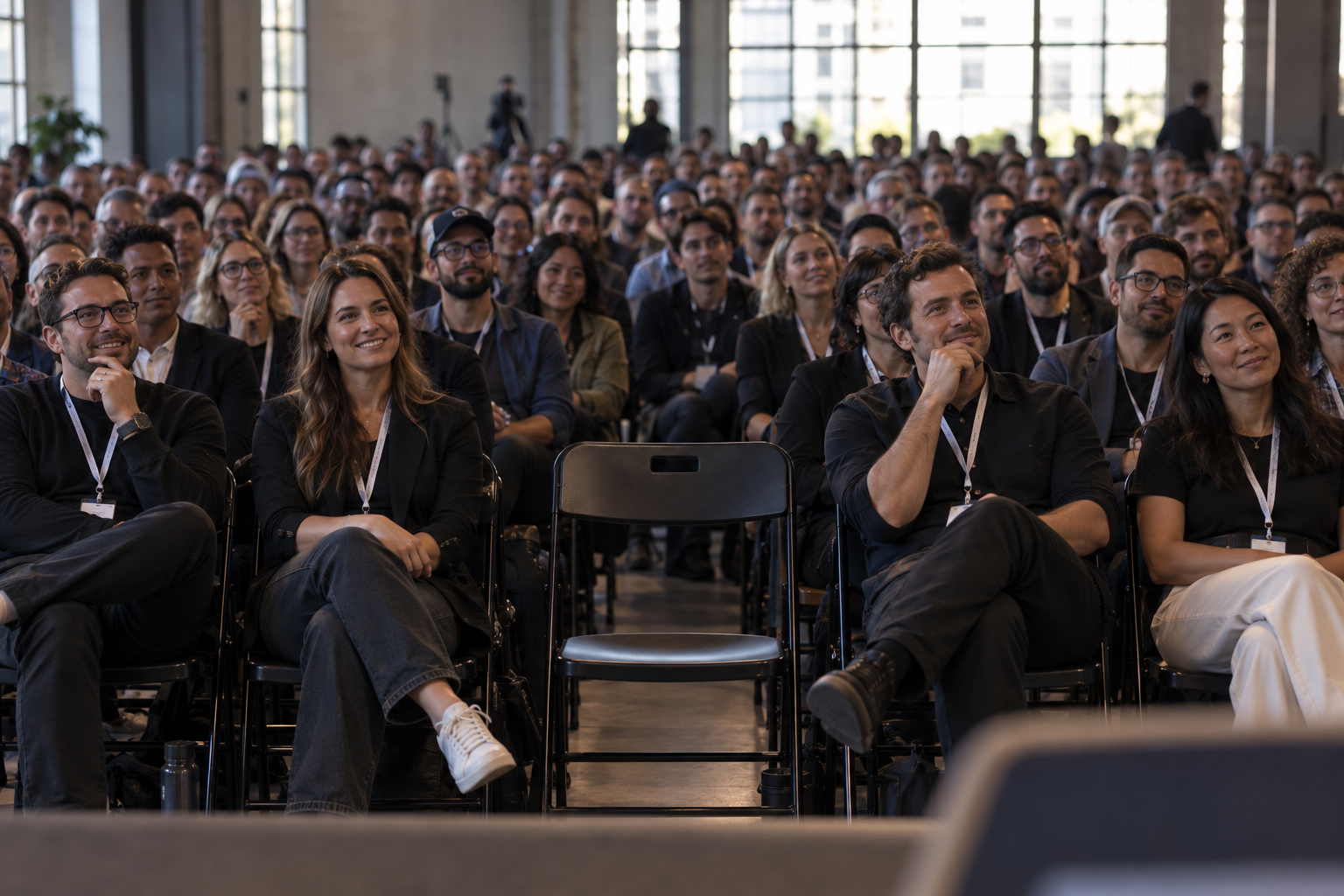
There’s an entire culture built around entrepreneurship. The events. The panels. The podcasts. The founder stories. The conversations about disruption, innovation, scaling and whatever word we’ve all agreed to beat to death this year.
Then there’s actually running a business.
The two obviously overlap.
But they aren’t the same thing.
Studio Note: #56: Less Room to Get It Wrong.
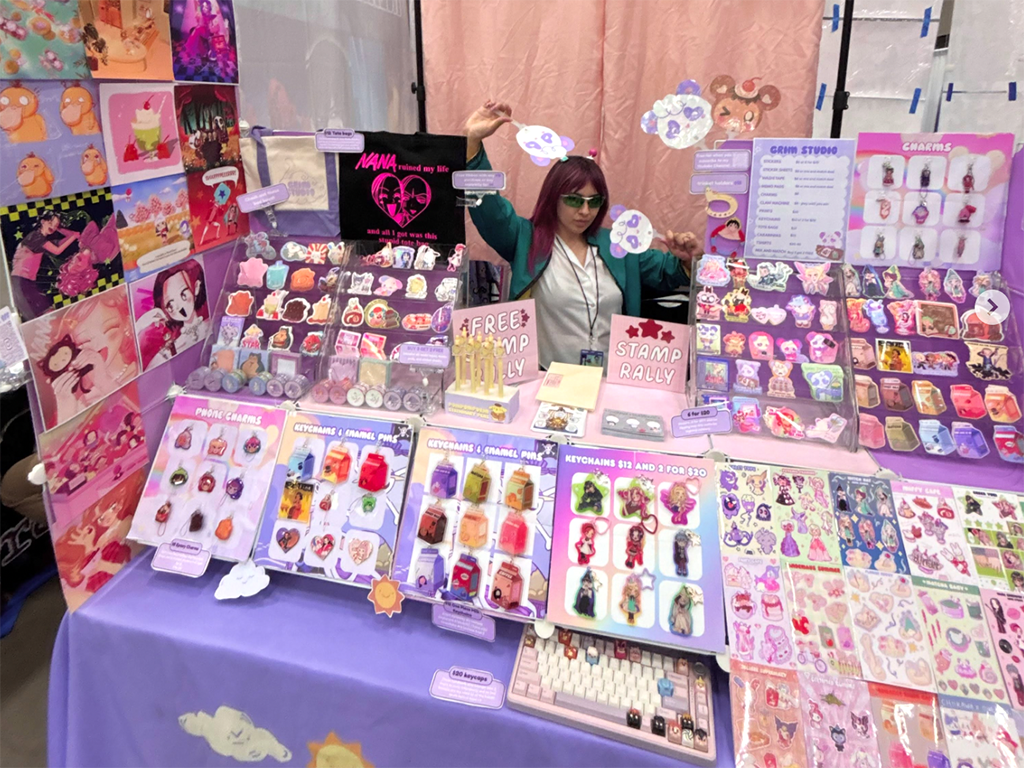
Some small businesses seem to treat being small as permission to be less considered. The banner is an afterthought. The products are piled everywhere. Nothing relates to anything else. There’s no hierarchy and no real reason to stop.
Studio Note #55: Ask Me Wednesday.
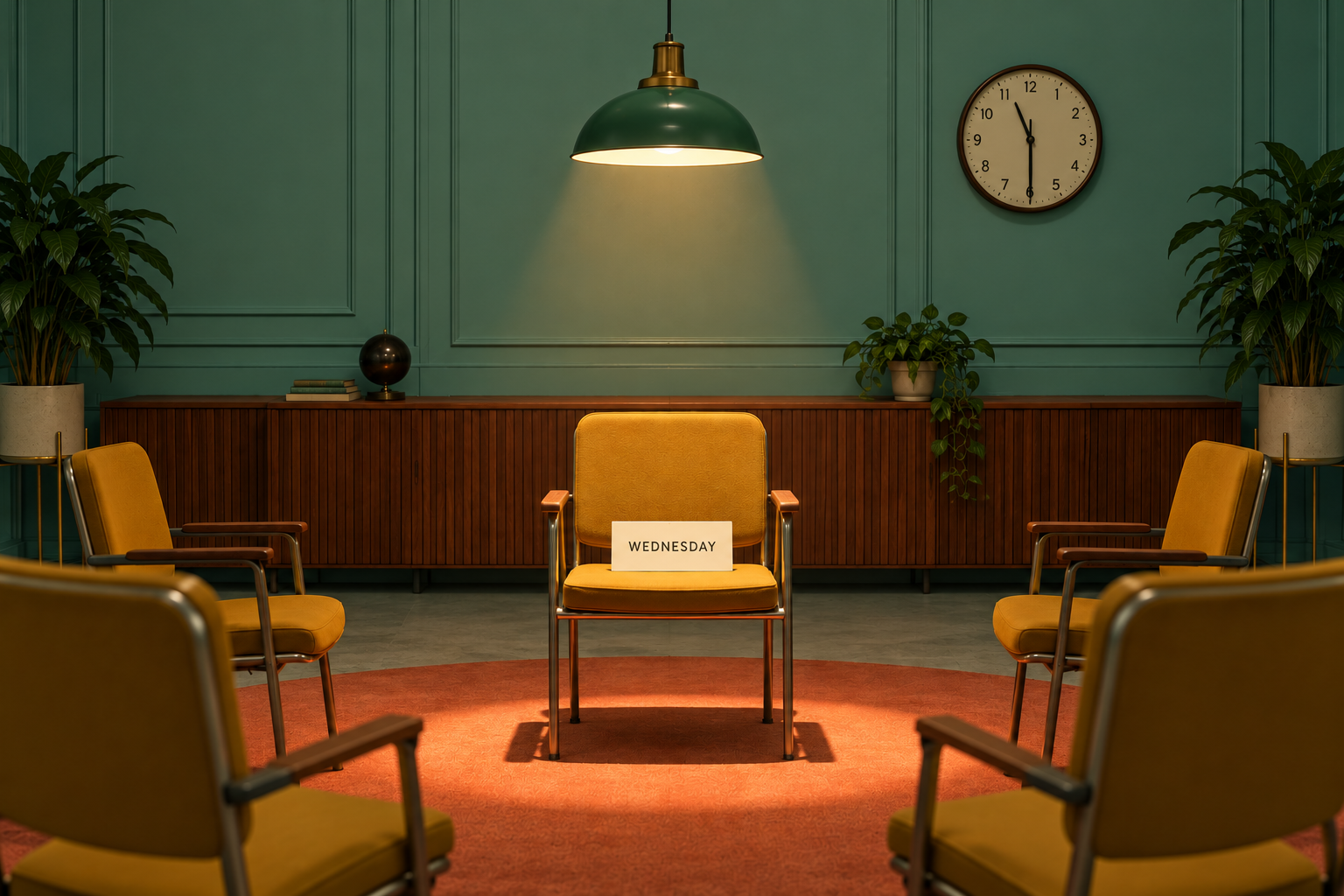
Running a business can be surprisingly isolating.
You spend a lot of time talking to clients, prospects, vendors and people you work with. Those relationships matter, but they aren’t quite the same as sitting around a table with other people who are also responsible for figuring out what happens next.
There’s value in being able to commune with people who understand that.