
Studio Note #44: The Language of Infinity.
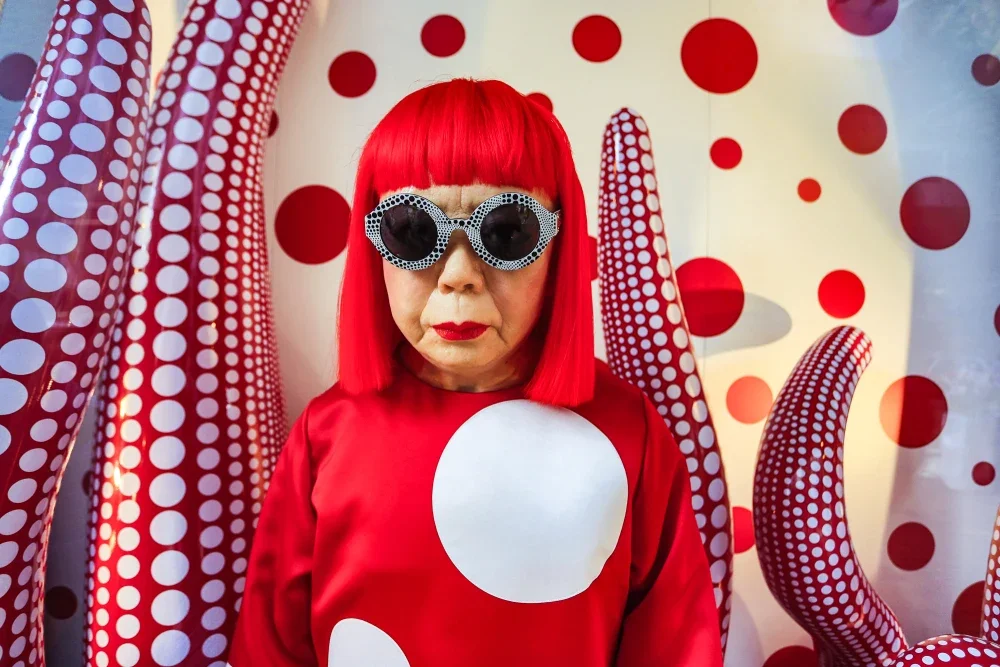
Portrait of the Artist: Jose Fuste Raga / Gamma-Rapho via Getty Images file
Yayoi Kusama died earlier this month at 97. Her death was announced today.
There are artists whose work you recognize because you know the work. Then there are artists who create such a distinct visual language that eventually you recognize it whether you know anything about art or not.
Yayoi Kusama did that.
The dots. The pumpkins. The mirrors. The repetition. The obsessive accumulation of forms that seemingly stretched into eternity. You can walk into a room without seeing a wall label and know immediately that you are standing inside Kusama’s world.
That kind of recognition usually doesn’t happen for artists.
Even more unusual is that the work never seemed to become exhausted by its own familiarity.
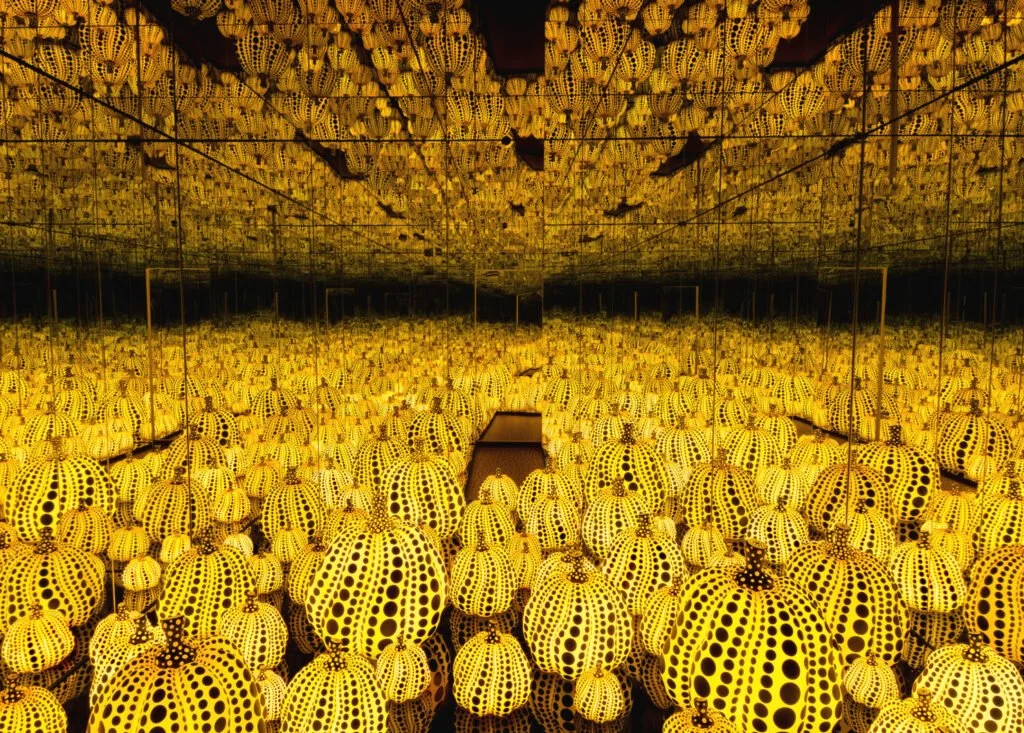
Yayoi Kusama (Japanese, born 1929), All the Eternal Love I Have for the Pumpkins, 2016, wood, mirrors, plastic, glass, and LEDs. Collection of the artist. Courtesy of Ota Fine Arts, Tokyo/Singapore and Victoria Miro, London. © YAYOI KUSAMA.
There are plenty of artists who eventually find their thing and then spend the rest of their careers doing it. What once felt distinctive slowly becomes predictable. The work becomes an exercise in repeating the thing everyone already knows them for.
Kusama certainly repeated herself. Repetition was fundamental to the work. But somehow it rarely felt like she was simply going through the motions. The dots remained dots. The pumpkins remained pumpkins. The mirrors remained mirrors. Yet the work continued to feel alive, playful, strange and remarkably contemporary.
That may be one of the more difficult things she accomplished. She built one of the most recognizable visual languages in contemporary art without allowing that language to become a prison.
What makes her story even more remarkable is that it didn’t happen overnight.
Kusama arrived in New York in the late 1950s and became part of an art world that included people like Andy Warhol, Claes Oldenburg and Donald Judd. She made paintings, sculptures, installations, performances and happenings that were radical long before millions of people were lining up to photograph themselves inside Infinity Mirror Rooms.
Then she returned to Japan in the 1970s.
In 1977, Kusama voluntarily admitted herself to a psychiatric hospital in Tokyo. She would continue living there for the rest of her life, leaving during the day to work in a studio nearby.
And she worked.
She painted. She made sculptures. She wrote novels and poetry. She continued developing the same obsessive visual language that had occupied her work for decades, often drawing directly from the hallucinations she had experienced since childhood.
For years, much of the Western art world paid little attention.
She kept working anyway.
Years became decades.
Eventually the art world came back around.
By the end of her life, Kusama had become something exceedingly rare: an artist who was simultaneously taken seriously by museums and the art establishment while becoming genuinely recognizable to people who might never voluntarily walk into a contemporary art gallery.
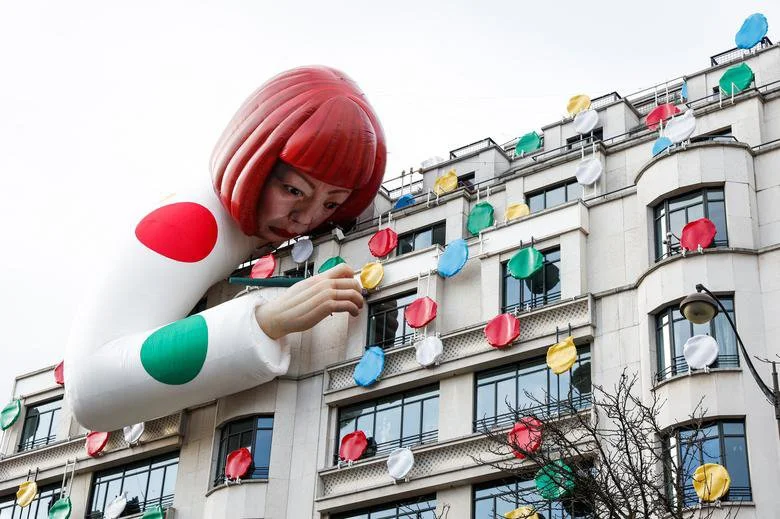
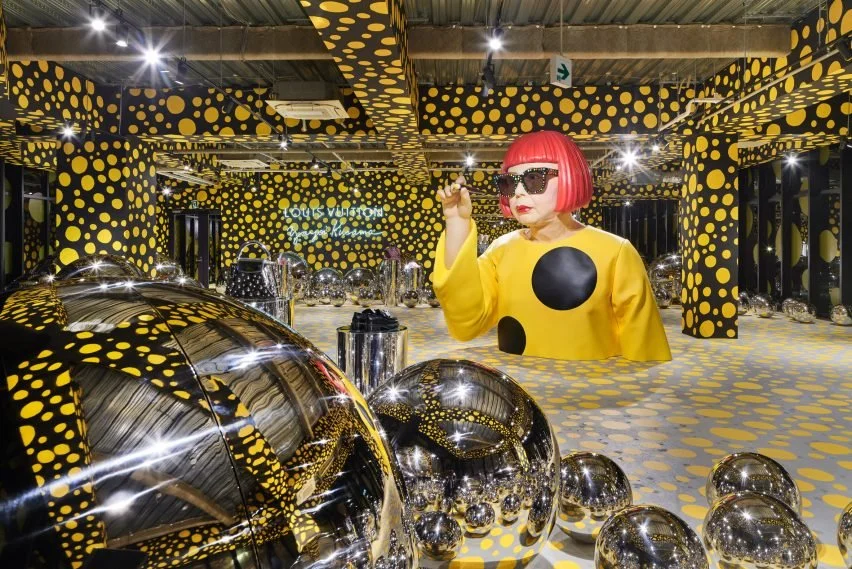
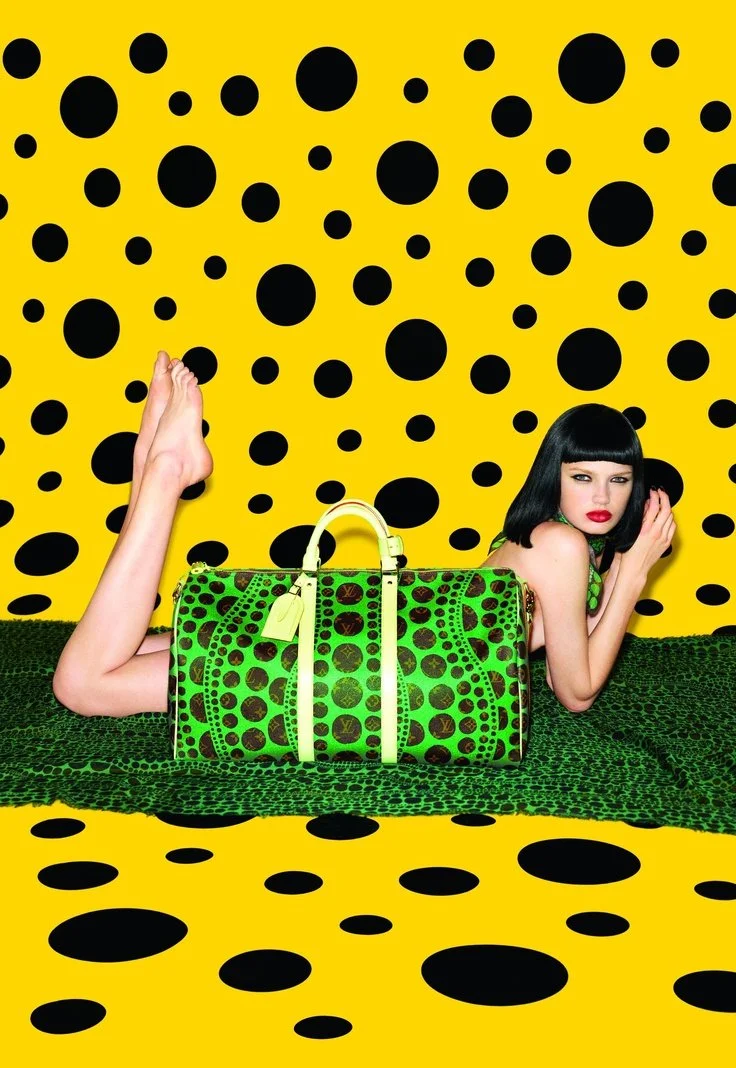
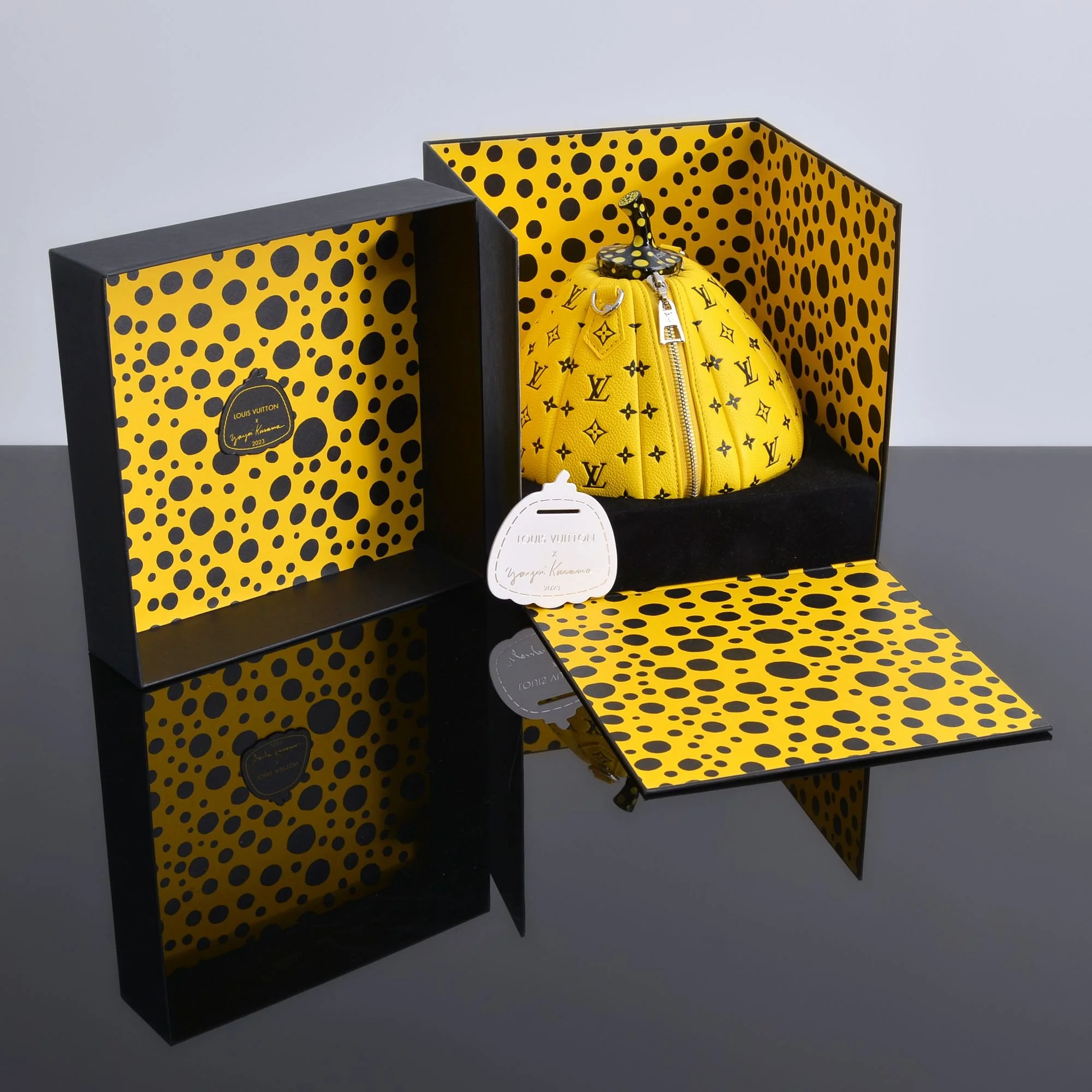
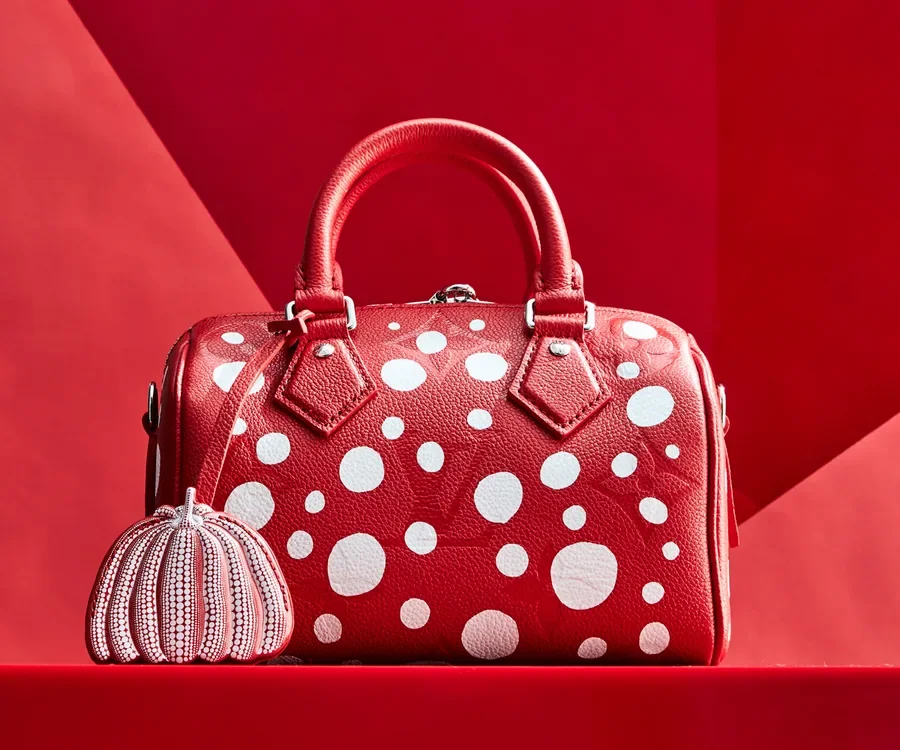
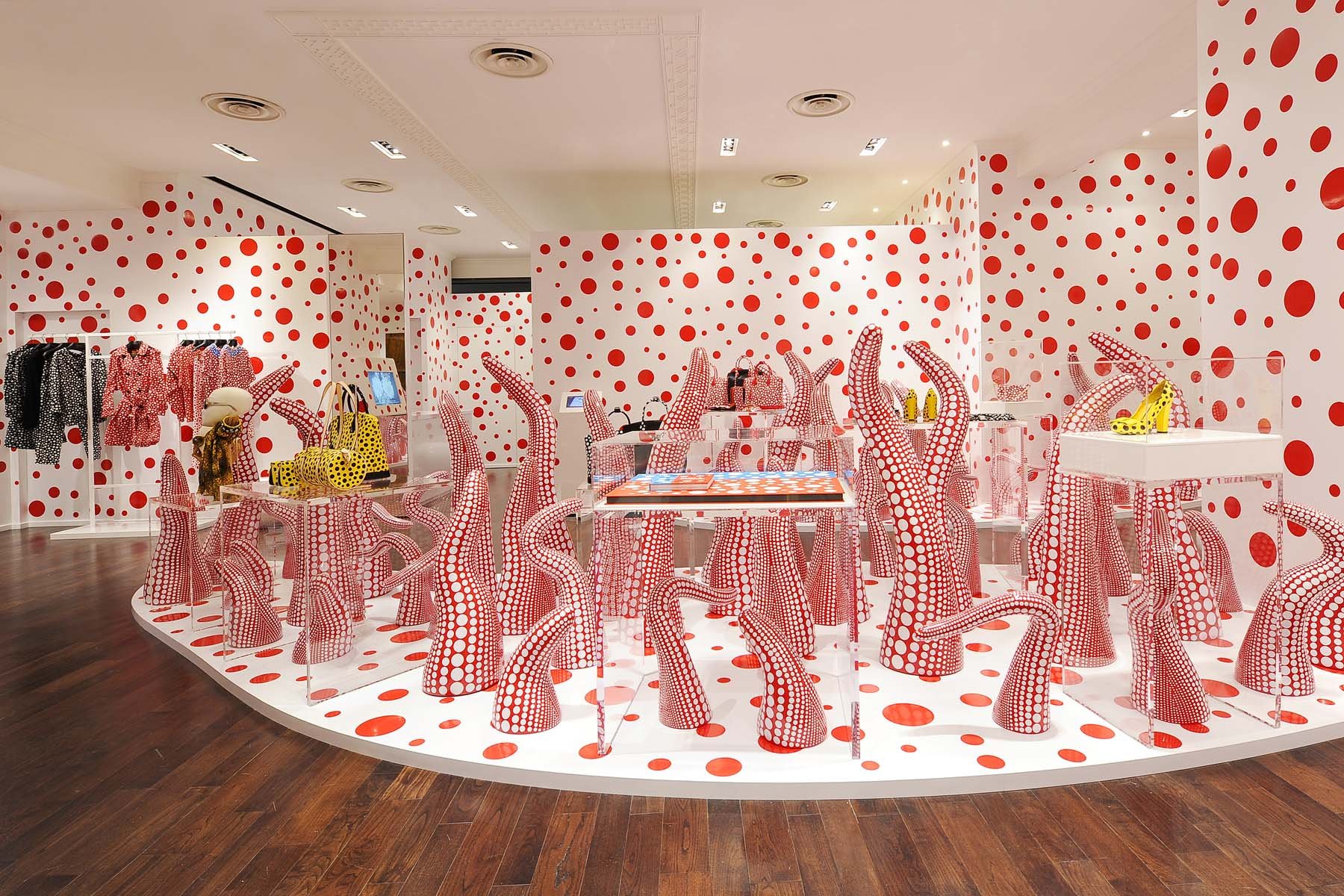
Yayoi Kusama’s relationship with Louis Vuitton stretched across more than a decade. The collaboration brought her work to an enormous new audience, but the exchange went both ways. Few artists could take one of the world’s most recognizable luxury brands and make it look so unmistakably their own.
There is plenty that can be said about what happened once Kusama became a global phenomenon. The exhibitions became events. The pumpkins became icons. There were fashion collaborations, merchandise and lines around buildings.
The spectacle occasionally became so large that it was easy to forget there was an artist underneath all of it.
An artist who had been making this work long before anyone was lining up to see it.
That is the part of her story I keep coming back to.
She developed a language that was unmistakably hers and spent the better part of seven decades speaking it.
And she was reportedly still painting in the final days of her life.